3TC Mals
Home
Start Here
My Story
About Me
My Care Team
Procedures
Testing
Nerve Block
Laparoscopic Release
Open Ganglionectomy
Celiac Artery Bypass
TPN
Recovery
Zebra
Life After MALs
Dr Kurtis Kim Interview
Links
Videos
Soundtrack to My Recovery
Contact
3TC Mals
Home
Start Here
My Story
About Me
My Care Team
Procedures
Testing
Nerve Block
Laparoscopic Release
Open Ganglionectomy
Celiac Artery Bypass
TPN
Recovery
Zebra
Life After MALs
Dr Kurtis Kim Interview
Links
Videos
Soundtrack to My Recovery
Contact
More
  • Home
  • Start Here
  • My Story
  • About Me
  • My Care Team
  • Procedures
  • Testing
  • Nerve Block
  • Laparoscopic Release
  • Open Ganglionectomy
  • Celiac Artery Bypass
  • TPN
  • Recovery
  • Zebra
  • Life After MALs
  • Dr Kurtis Kim Interview
  • Links
  • Videos
  • Soundtrack to My Recovery
  • Contact
  • Home
  • Start Here
  • My Story
  • About Me
  • My Care Team
  • Procedures
  • Testing
  • Nerve Block
  • Laparoscopic Release
  • Open Ganglionectomy
  • Celiac Artery Bypass
  • TPN
  • Recovery
  • Zebra
  • Life After MALs
  • Dr Kurtis Kim Interview
  • Links
  • Videos
  • Soundtrack to My Recovery
  • Contact

Laproscopic release

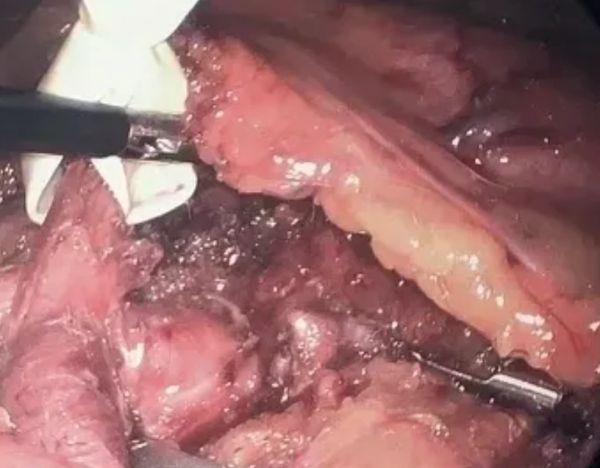
A laparoscopic MALS release is a minimally invasive surgery where small incisions and cameras are used to:


  1. Cut/release the median arcuate ligament 
  2. Remove scar tissue around the artery 
  3. Free up the compressed nerves around the celiac plexus 


Compared to open surgery, laparoscopic surgery usually means:


  • Smaller incisions 
  • Less pain afterward 
  • Faster recovery 
  • Shorter hospital stay

Laproscopic Release

What is “nerve dissection” or neurolysis?

The nerve tissue around the celiac artery (celiac ganglion/plexus) often becomes inflamed or scarred from chronic compression.

During surgery, the surgeon may:


  • Carefully dissect away nerve tissue around the artery 
  • Remove fibrotic tissue 
  • Perform a celiac plexus neurolysis (freeing or partially removing irritated nerve fibers) 


This is important because many MALS symptoms are believed to come from both:


  • Blood flow restriction 
  • Nerve irritation 

What surgeons are trying to achieve


The goal is to fully expose the celiac artery so it is no longer compressed. Before release:


  • The artery can appear pinched or “hooked” 


After release:

  • Blood flow improves 
  • The artery expands more normally 
  • Pressure on nerves is reduced

Recovery


Typical recovery after laparoscopic release:


  • Hospital: 1–3 days 
  • Light activity: 1–2 weeks 
  • Full recovery: 4–8 weeks 

Common temporary post-op issues:

  • Soreness near incisions 
  • Fatigue 
  • Appetite changes 
  • Diarrhea or digestive fluctuations 
  • Residual nerve pain while nerves calm down

Success Rates

Outcomes vary because MALS is complex and sometimes overlaps with other GI or autonomic disorders.


Roughly:

  • About 60–80% of properly selected patients improve after surgery 
  • Some improve immediately 
  • Others improve gradually over months as nerves recover 


Factors associated with better outcomes:

  • Classic post-meal pain and weight loss 
  • Positive celiac plexus block before surgery 
  • Significant artery compression on imaging 
  • Symptoms clearly matching MALS 

This website reflects personal experiences and is NOT intended to replace professional medical advice.

Designed by www.tepdesigns.com

  • Home
  • My Story

This website uses cookies.

We use cookies to analyze website traffic and optimize your website experience. By accepting our use of cookies, your data will be aggregated with all other user data.

Accept